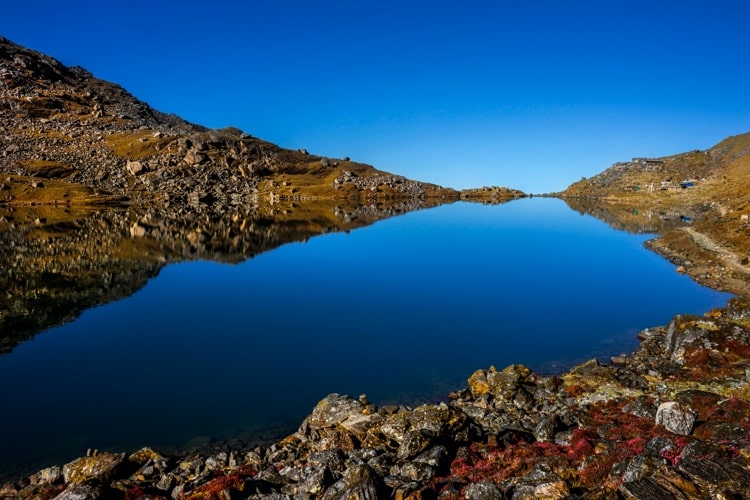
Gosaikunda Lake Trek-09 Days
Trip Facts
Highlights
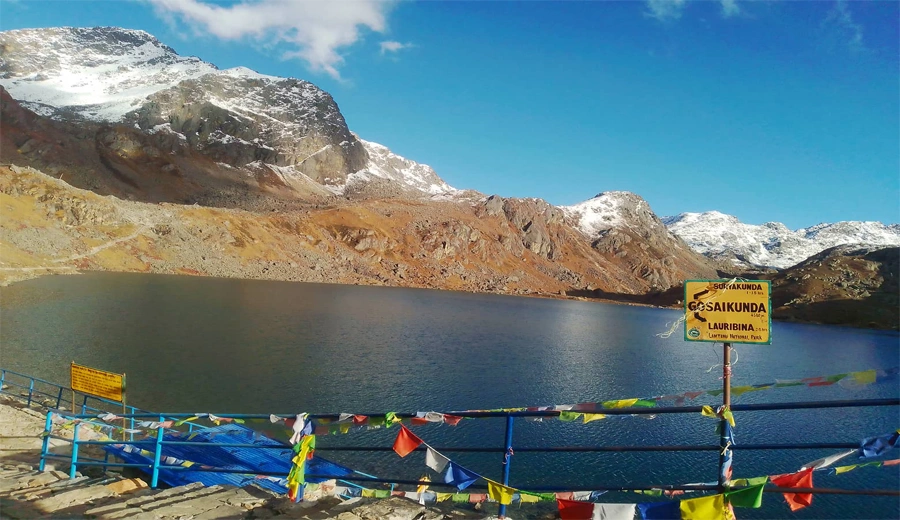
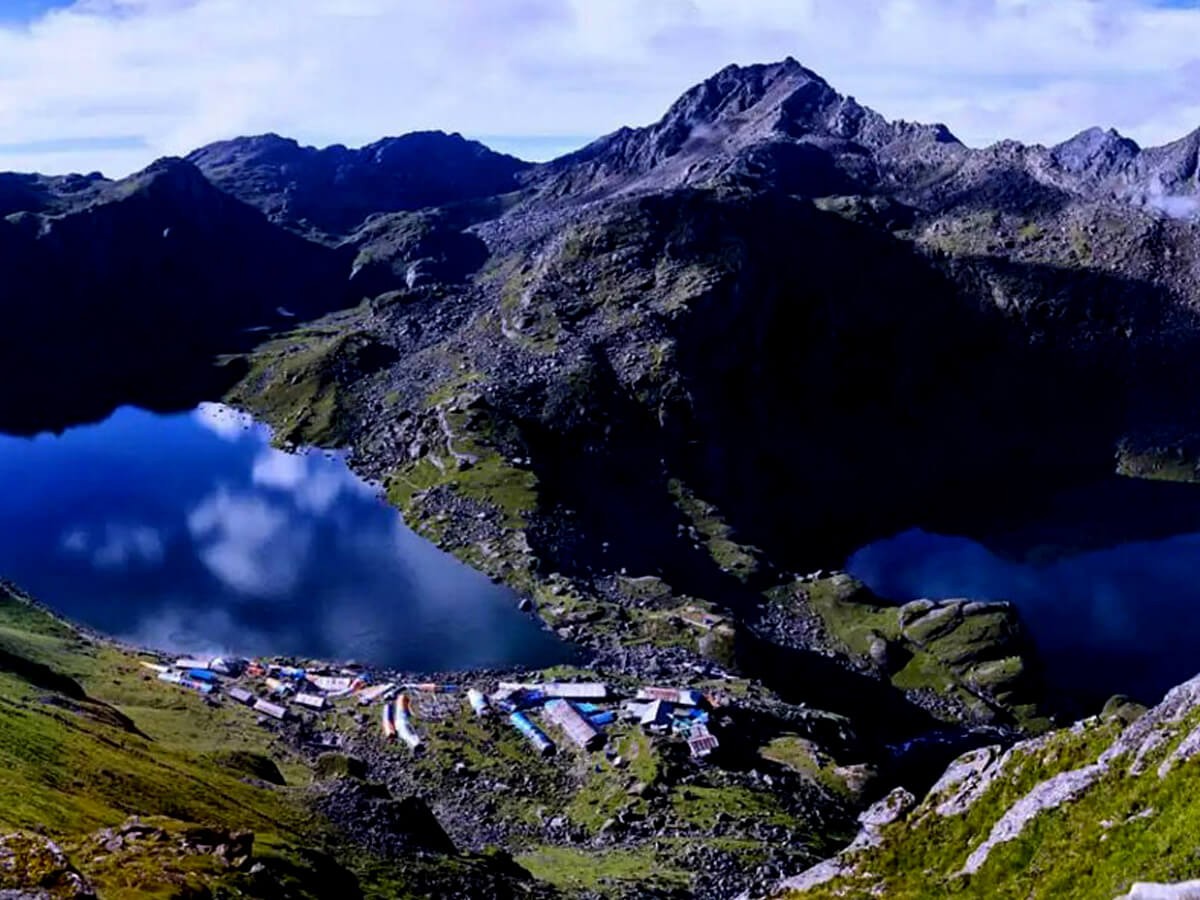
- Visit the sacred Gosaikunda Lake (4,380m), an important pilgrimage site for Hindus and Buddhists
- Optional hike to Laurebina Pass (4,610m) for panoramic views of Langtang Lirung, Ganesh Himal, and surrounding peaks
- Trek through rhododendron, pine, and oak forests with vibrant flora in spring
- Explore traditional Tamang villages and experience local culture and hospitality
- Enjoy alpine lakes, glaciers, and yak pastures along the trail
- Less crowded than Annapurna or Everest treks, providing a peaceful trekking experience
- Moderate-high altitude trek suitable for adventurous beginners and experienced trekkers
- Opportunity to witness local religious rituals if trekking during Janai Purnima festival
Overview
The Gosaikunda Lake Trek is a culturally and scenically rich trek located in the Langtang Region of Nepal. Famous for its sacred alpine lake, Gosaikunda, the trek attracts both nature lovers and pilgrims, especially during the Janai Purnima festival when thousands of Hindu devotees visit the lake. The trail takes trekkers through lush forests, alpine meadows, and traditional Tamang villages, offering a unique combination of natural beauty and cultural immersion.
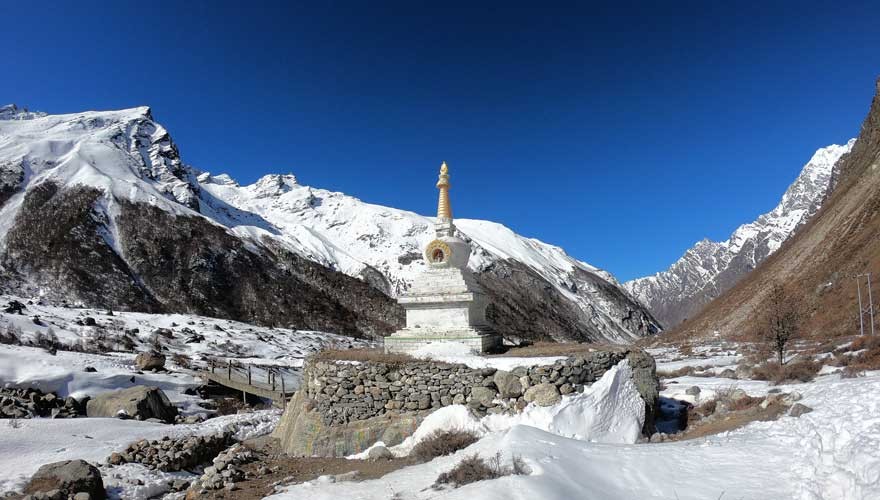
Organized by trekking companies like Mountain Buddha, the Gosaikunda Trek is suitable for moderately experienced trekkers, as it reaches altitudes of around 4,380 meters at the lake. Along the trail, trekkers enjoy panoramic views of Himalayan peaks such as Langtang Lirung, Dorje Lakpa, and Gangchempo. The journey passes through rhododendron and pine forests, terraced fields, and yak pastures, providing a diverse trekking experience in the Langtang National Park.
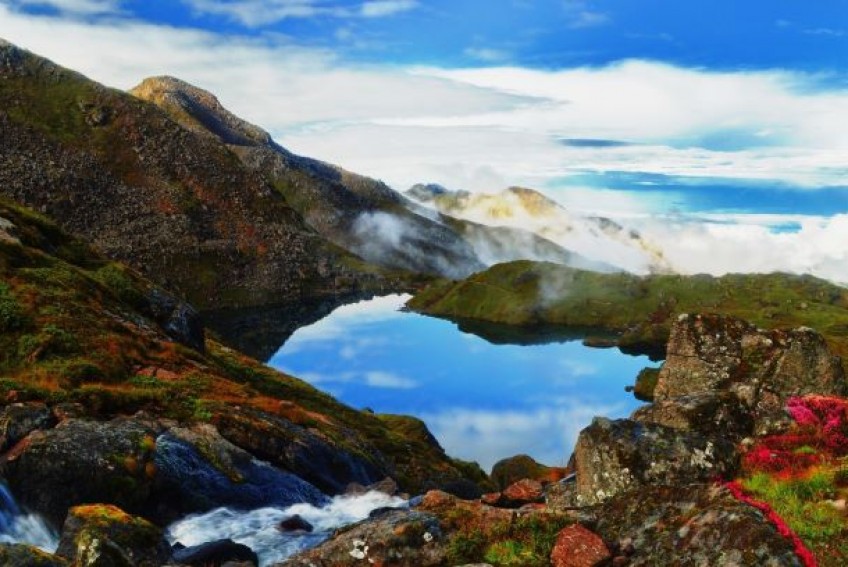
A major highlight of the trek is the sacred Gosaikunda Lake, considered holy in both Hindu and Buddhist traditions. Trekkers can witness local pilgrims performing rituals, as well as enjoy the stunning turquoise waters surrounded by snow-capped peaks. The surrounding alpine lakes, waterfalls, and glaciers add to the scenic and spiritual appeal of the region.
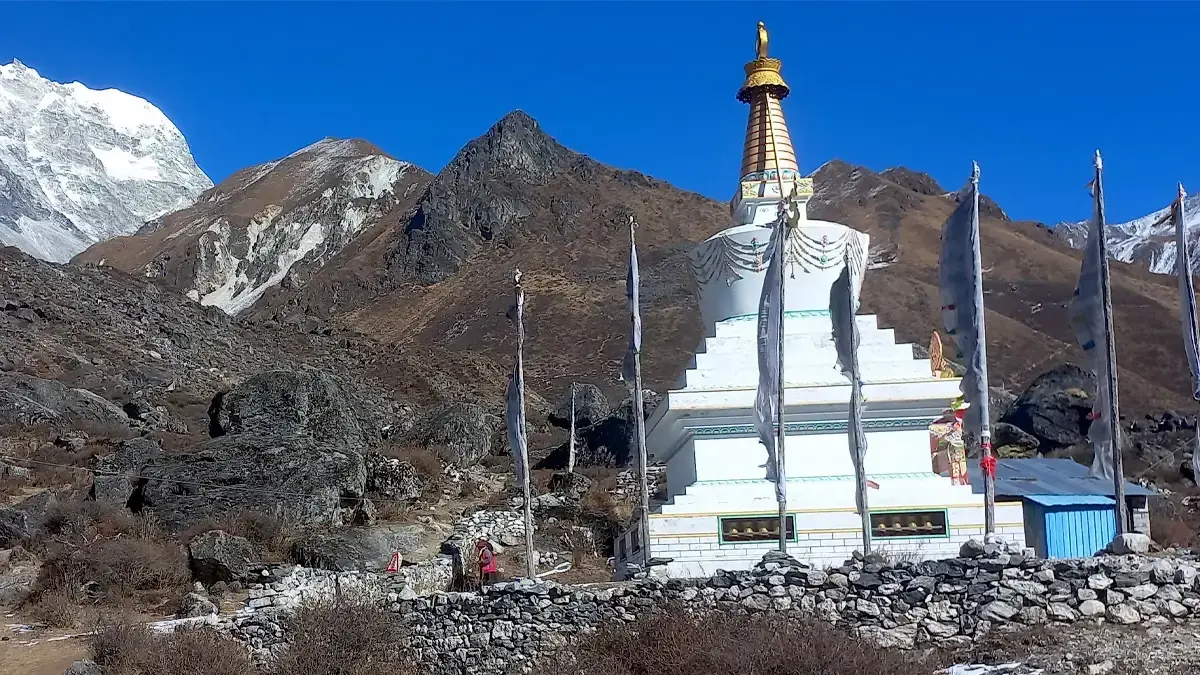
The trek also explores charming Tamang villages, where trekkers can interact with locals, learn about traditional customs, and experience Nepali rural life. Teahouse accommodations are available along the route, providing basic comfort, home-cooked meals, and a chance to meet other trekkers. Optional side hikes to viewpoints and smaller alpine lakes allow for additional exploration and photography opportunities.
Overall, the Gosaikunda Lake Trek is a moderate, high-altitude adventure that combines spectacular mountain scenery, cultural experiences, and spiritual significance. It is ideal for trekkers seeking a less crowded alternative to Everest or Annapurna treks while still enjoying authentic Himalayan landscapes and cultural encounters.
Itinerary
Arrive at Tribhuvan International Airport and transfer to your hotel. Meet your guide from Mountain Buddha for a trek briefing, discuss permits, and review equipment. Overnight in Kathmandu.
Drive 5–7 hours from Kathmandu to the trek starting point. Enjoy views of terraced fields, hills, and rivers along the way. Prepare for the trek ahead.
Start trekking through forests and along the Bhote Koshi River. Cross suspension bridges and enjoy panoramic mountain views while passing small Tamang villages.
Climb gradually through rhododendron and pine forests, passing terraced fields and local settlements. Arrive at Thulo Syabru, a traditional Tamang village, and explore the village.
This is the most challenging day with a steep ascent to Laurebina Pass followed by a descent to Gosaikunda Lake. Enjoy the stunning turquoise lake surrounded by snow-capped peaks. Witness local pilgrims if trekking during Janai Purnima.
Spend the day exploring Gosaikunda and nearby alpine lakes. Optional short hikes to nearby viewpoints for panoramic Himalayan views. Enjoy the serene alpine landscape.
Descend gradually through forests and terraced fields back to Thulo Syabru. Enjoy the scenic landscapes and changing flora.
Accommodation:
Meals:
Continue descending to the trailhead. Celebrate the completion of the trek and rest for the journey back to Kathmandu.
Drive back to Kathmandu from Dhunche or Syabrubesi. Free time in the evening for shopping or sightseeing.
Includes
- Airport pick-up and drop-off in Kathmandu
- 2 Nights hotel accommodation in Kathmandu on twin-sharing basis with breakfast
- Private vehicle from Kathmandu to trailhead (Dhunche or Syabrubesi) and return
- All required trekking permits: Langtang National Park Permit & TIMS card
- 6–7 Nights teahouse/lodge accommodation during the trek (twin-sharing basis)
- Three meals per day (Breakfast, Lunch, Dinner) during trekking
- Experienced, licensed English-speaking trekking guide from Mountain Buddha
- Porter service (1 porter for 2 trekkers, max 20–25 kg per porter)
- Guide and porter salary, food, accommodation, and insurance
- First aid medical kit carried by guide
- All government taxes and service charges
Excludes
- International airfare to and from Nepal
- Nepal entry visa fee
- Travel insurance covering high-altitude trekking and emergency evacuation
- Personal trekking gear and equipment
- Bottled drinks, alcohol, and bar bills
- Meals in Kathmandu (except breakfast included at the hotel)
- Personal expenses such as laundry, phone calls, or souvenirs
- Tips for guide and porter (optional but customary)
- Emergency rescue or evacuation costs in case of unforeseen situations
Equipment
Clothing
- Lightweight and breathable t-shirts/shirts
- Long-sleeve shirts for sun protection
- Light jacket or fleece for mornings/evenings
- Waterproof windbreaker or rain jacket
- Comfortable trekking pants and shorts
- Warm sweater or jacket (especially for Pokhara sunrise or Chitwan evenings)
- Underwear and socks (quick-dry preferred)
- Sleepwear for hotels and lodges
- Hat or cap for sun protection
- Gloves and scarf (optional for mornings/evenings)
Footwear
- Comfortable walking or trekking shoes (well broken-in)
- Sandals or flip-flops for lodges/hotels
- Socks (extra pairs recommended)
Accessories
- Sunglasses with UV protection
- Sunscreen (SPF 30+) and lip balm
- Small daypack/backpack for daily excursions
- Water bottle or hydration system
- Camera or smartphone with charger
- Power bank
- Trekking poles (optional but helpful)
- Travel umbrella or rain poncho
Personal Items & Toiletries
- Personal toiletries (toothbrush, toothpaste, shampoo, soap)
- Hand sanitizer and wet wipes
- Towel (quick-dry recommended)
- Prescription medications (if any)
- First-aid kit (plasters, band-aids, antiseptic)
- Insect repellent (especially for Chitwan)
Documents & Money
- Passport (valid for at least 6 months)
- Nepal tourist visa or visa-on-arrival documents
- Travel insurance documents
- Photocopies of passport, tickets, and permits
- Local cash (Nepalese Rupees) and international credit/debit card
Optional Items
- Binoculars (for birdwatching and wildlife in Chitwan)
- Notebook or travel journal
- Snacks or energy bars
- Lightweight sleeping bag (optional if staying in remote lodges)
Frequently Asked Questions (FAQs)
The trek typically takes 7–9 days, depending on your starting point and pace. Optional side hikes to Laurebina Pass or nearby alpine lakes can extend the duration.
The highest point is Laurebina Pass at 4,610 meters, and Gosaikunda Lake is at 4,380 meters, offering spectacular panoramic Himalayan views.
This is a moderate to challenging trek due to high altitude and steep ascents. Trekkers should have good stamina and basic trekking experience is recommended.
The best seasons are Spring (March–May) for rhododendron blooms and Autumn (September–November) for clear skies and excellent mountain visibility. Monsoon (June–August) is not recommended, and winter is cold but less crowded.
Accommodation is in teahouses and lodges along the trail, on a twin-sharing basis. Hotels in Kathmandu are included at the start and end. Facilities include warm beds, blankets, and shared bathrooms; hot showers may be available for extra cost.
Yes, three meals per day (Breakfast, Lunch, Dinner) are included during trekking. Meals are prepared fresh at teahouses, including Dal Bhat, noodles, soups, and Tibetan bread.
While trekking independently is possible, it is recommended to hire a licensed guide from Mountain Buddha for safety and navigation. Porter service is optional but helpful for carrying luggage.
Consumer reviews
Review Requests
Enter a recent customer’s contact info and we’ll ask them to leave you a review.